Get Wood Chips Installation
Local contractors offer wood chips installation services to cover landscaping projects, pathways, playgrounds, or erosion control, solving issues with soil protection and surface aesthetics.
If you are considering a wood chips installation for your property, you are in the right place to explore your options. Property owners often choose wood chips for landscaping, pathways, or garden mulching due to their natural appearance and practical benefits. Comparing local contractors can help ensure the work aligns with your project goals and complements your outdoor space effectively. By reviewing available service providers, you can find solutions tailored to your specific needs and preferences.
Continuing to explore your options allows you to gather valuable information about how wood chips installation can enhance your property. Local service providers can offer insights into the best practices for planning and executing this type of work, helping you make informed decisions. Keep reading to discover how experienced contractors in your area can assist with your project and bring your vision to life.
- Wood Chips Installation - when landscaping projects require ground cover to control weeds and improve aesthetics.
- Wood Chips Mulching - for garden beds or trees that need natural mulch to retain moisture and suppress weeds.
- Playground Surfacing - to create a soft, impact-absorbing surface for children's play areas.
- Erosion Control - on slopes or disturbed soil to prevent erosion and promote soil stability.
- Pathway and Garden Bed Edging - when defining walkways or garden borders with natural, decorative wood chips.

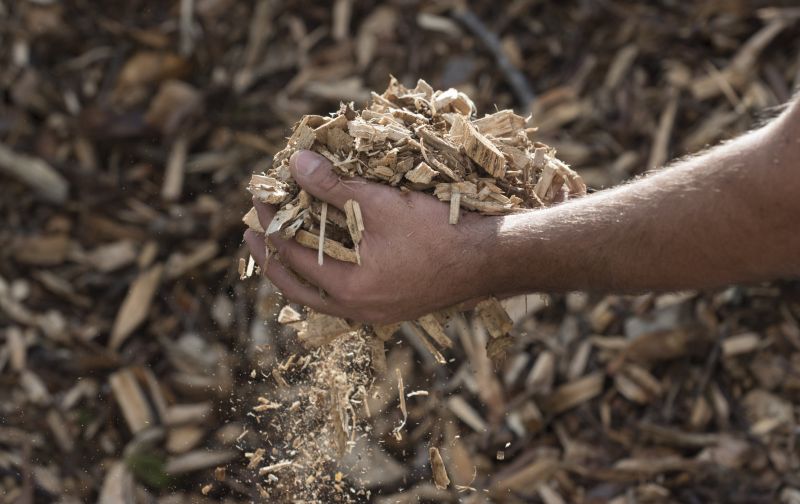
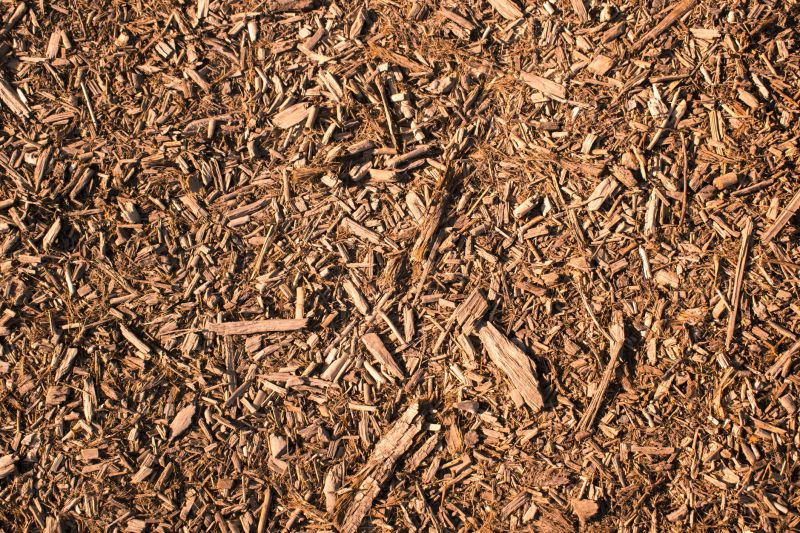
Wood chips installation services involve spreading a layer of wood chips across designated areas of a property to improve appearance, functionality, and safety. This process typically includes preparing the ground, selecting appropriate wood chip materials, and evenly distributing the mulch to create a uniform surface. Professionals may also add edging or borders to contain the chips and ensure a neat, durable finish. This service is often tailored to meet the specific needs of each property, whether for aesthetic enhancement or practical purposes like weed suppression and soil insulation.
One of the primary benefits of wood chips installation is its ability to address common landscaping problems. It helps reduce weed growth by creating a barrier that inhibits sunlight from reaching weed seeds. Additionally, wood chips can help retain soil moisture, reducing the need for frequent watering and protecting plants during dry periods. The mulch also acts as a cushion around trees and garden beds, minimizing soil erosion and providing a clean, finished look. For properties with uneven or bare soil patches, wood chips can quickly improve stability and visual appeal.
Properties that typically use wood chips installation services include residential yards, community parks, school grounds, and commercial landscapes. Homeowners often choose wood chips for garden beds, pathways, or around trees to enhance curb appeal and create low-maintenance outdoor spaces. Larger properties like parks or commercial properties may use wood chips to define walkways, create play areas, or control weeds in open spaces. The versatility of wood chips makes them suitable for various property types seeking an affordable, natural-looking landscaping solution.
Homeowners who want to improve their yard’s appearance or manage common landscaping challenges might consider wood chips installation. This service is especially useful for those looking to create a clean, organized outdoor environment without extensive maintenance. Whether installing around flower beds, creating play zones, or defining garden borders, local contractors can provide the expertise needed to ensure a professional, long-lasting result. Contacting local service providers can help find the right solution for specific property needs and landscaping goals.
The overview below groups typical Wood Chips Installation projects into broad ranges so you can see how smaller, mid-sized, and larger jobs often compare in your area.
In many markets, a large share of routine jobs stays in the lower and middle ranges, while only a smaller percentage of projects moves into the highest bands when the work is more complex or site conditions are harder than average.
Smaller Projects - for minor wood chip installations or touch-ups, local contractors typically charge between $250 and $600. Many routine jobs fall within this range, depending on yard size and material costs.
Standard Installation - a typical full installation for a backyard or small landscape usually costs between $600 and $1,200. Most projects of this size are completed within this range, with some variation based on site conditions.
Larger or Complex Jobs - extensive wood chip installations or projects involving additional landscaping can range from $1,200 to $3,000. Fewer projects reach these higher tiers, which are usually for larger areas or specialized requirements.
Full Replacement or Major Overhaul - complete overhauls or significant landscape redesigns with wood chips can exceed $3,000 and may reach $5,000 or more. These higher costs reflect the scope and complexity of the work involved, though most projects stay below this level.
Actual totals will depend on details like access to the work area, the scope of the project, and the materials selected, so use these as general starting points rather than exact figures.
Mulch and Ground Cover Installation - Local contractors who install wood chips often handle other types of mulch and ground cover projects for landscaping and soil protection.
Garden Bed Preparation - Preparing garden beds with appropriate soil and mulch layers requires similar planning and material handling skills as wood chips installation.
Landscape Design and Planning - Designing outdoor spaces that incorporate wood chips as a ground cover involves planning, site assessment, and material selection skills.
Pathway and Walkway Construction - Building natural pathways with gravel or other loose materials shares tools and planning concepts with wood chips pathway projects.
Tree Mulching Services - Applying mulch around trees for health and aesthetics involves techniques and tools comparable to wood chips installation.
Erosion Control Projects - Using organic ground covers like wood chips to prevent soil erosion utilizes similar materials and site preparation methods.
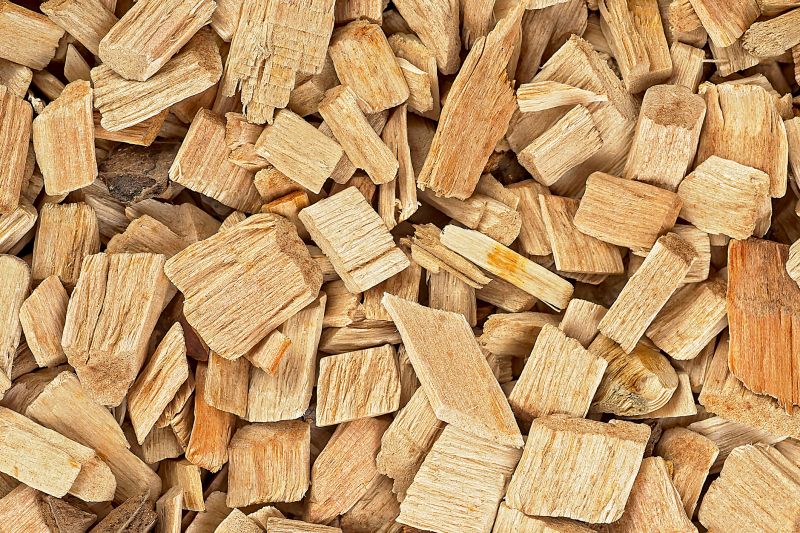
When comparing local contractors for wood chips installation, it’s important to consider their experience with similar projects. Homeowners should inquire about how many installations they have completed that resemble the scope and scale of their own project. An experienced service provider will have a clear understanding of best practices for applying wood chips, ensuring the work is done efficiently and effectively. Reviewing the types of properties they have worked on and asking about their familiarity with different landscape settings can help gauge their expertise and confidence in handling unique site conditions.
Clear, written expectations are essential to avoid misunderstandings and ensure satisfaction with the finished project. Homeowners should seek service providers who can provide detailed descriptions of their process, including preparation, installation techniques, and cleanup procedures. Having these expectations documented helps both parties understand what will be delivered and can serve as a reference throughout the project. This transparency supports a smoother experience and helps ensure that the final result aligns with the homeowner’s vision.
Reputable references and good communication are key indicators of a trustworthy local contractor. Homeowners are encouraged to ask for references from previous clients who had similar work done and to follow up with those references to confirm satisfaction. Additionally, service providers who communicate clearly, respond promptly to questions, and articulate their process in understandable terms tend to foster a more positive working relationship. While the site introduces homeowners to local options, it’s up to the homeowner to evaluate these qualities to find a dependable partner for their wood chips installation project.
Property owners use Wood Chips Installation services for practical projects around their homes and businesses. This guide focuses on everyday jobs and straightforward project options.
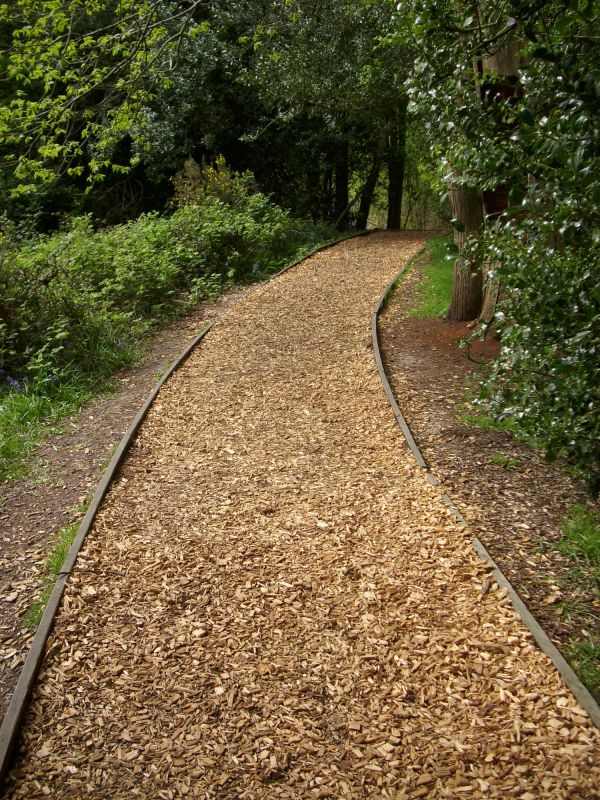
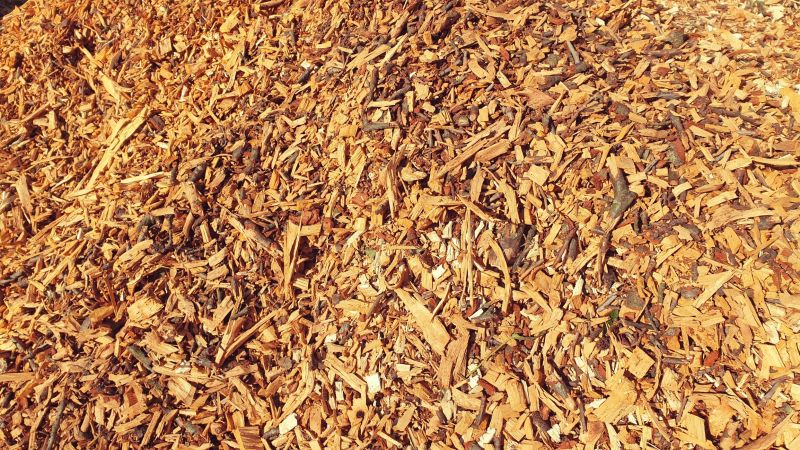
Wood chips installation is a common project for property owners looking to enhance the appearance and functionality of outdoor spaces. Homeowners and landscapers often seek local contractors to add wood chips around trees, garden beds, or walkways to help with weed control, soil moisture retention, and aesthetic appeal. Whether preparing a yard for a new planting area or refreshing existing mulch beds, local service providers can assist with the proper spreading and installation of wood chips to meet specific landscaping needs.
Property owners might also look for wood chips installation services when creating natural play areas or outdoor recreational spots. Local contractors can help ensure the wood chips are evenly distributed and safely installed, providing a soft surface for children or outdoor activities. Additionally, those interested in managing landscape debris or upgrading their yard’s look may contact local pros to handle the work efficiently, making it easier to maintain a tidy, attractive outdoor environment.
What are wood chips used for in landscaping? Wood chips are commonly used for mulch, pathways, and to improve soil health in landscaping projects.
How do local contractors prepare the area for wood chips? Contractors typically clear the area, level the ground, and sometimes lay a weed barrier before spreading wood chips.
What types of wood are used for making chips? Common types include hardwoods like oak and maple, as well as softwoods like pine and cedar, depending on the project needs.
Are there different installation methods for wood chips? Yes, installation methods vary based on purpose, such as layering for mulch or creating decorative pathways, and local service providers can advise on best practices.
What factors should be considered when choosing wood chips for a project? Factors include the intended use, appearance preferences, durability, and the type of wood suitable for the specific landscaping goals.
Mulch and Garden Bed Covering - Property owners can use wood chips to create attractive and functional mulch around trees, shrubs, and flower beds, helping to suppress weeds and retain soil moisture.
Play Area Surfacing - Wood chips can be installed as a soft surface for playgrounds and recreational areas, providing cushioning and safety for children.
Pathways and Walkways - Installing wood chips along garden paths or walkways offers a natural, rustic look while making outdoor navigation easier.
Erosion Control and Soil Stabilization - Wood chips can be used on slopes or bare soil areas to reduce erosion and improve soil stability around a property.
If you are thinking about Wood Chips Installation for a property, this guide is meant to help you understand the work, the typical project types, and how different options might fit your plans.
When you are ready, you can use the quote form on this page to share a few details about your project. From there, local pros can review the basics and respond with options that match what you have in mind.